

A hidden leak can run for months behind a wall, under a slab, or beneath the yard — quietly rotting framing, feeding mold, and inflating your water bill. Ludwig Family Plumbing finds leaks precisely in Lake in the Hills and across McHenry County using acoustic and electronic equipment, so we open up the one spot that needs it instead of tearing out drywall on a guess.
Pinpoint location means a smaller repair, lower cost, and less mess. We find it, show you what's happening, and give you clear repair options.
Signs You Need Leak Detection
- A water bill that jumped for no clear reason
- The water meter moving when everything is off
- Damp spots, stains, or warm areas on floors or walls
- Musty smell, peeling paint, or unexplained mold
- The sound of running water with no fixture on
- Low water pressure with no obvious cause
How we pinpoint a hidden leak
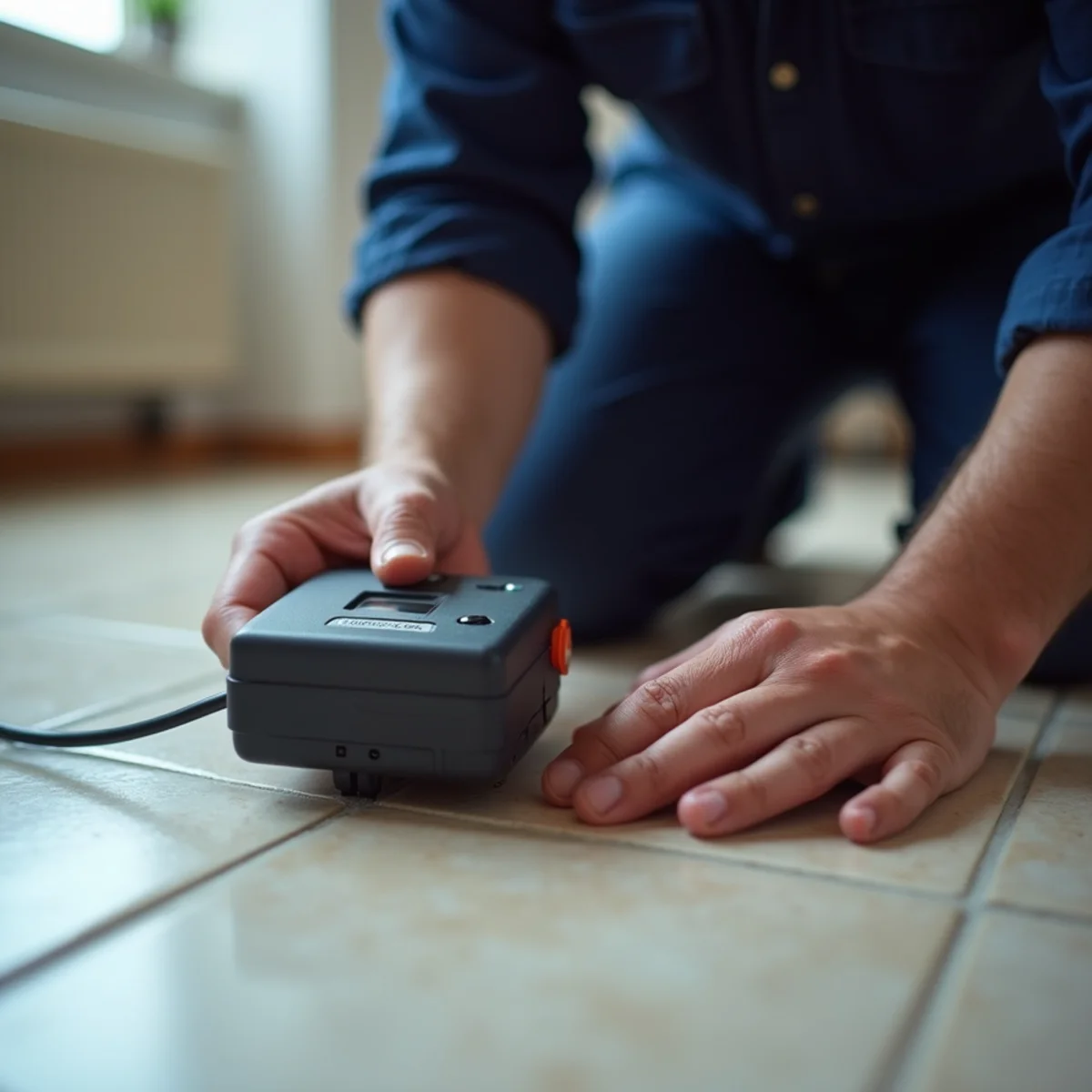
We start with a meter test to confirm a leak exists and gauge its size, then isolate the system to narrow the location. From there we use acoustic listening equipment, moisture meters, and — where needed — line tracing to put the leak within inches before we open anything. For supply and slab leaks, precision is everything.
Common leaks we find
Leaks hide in predictable places. The ones we chase most in the county:
- Slab leaks — supply lines under a concrete floor
- Pinhole leaks in aging copper or corroded galvanized pipe
- Supply-line leaks between the meter and the house
- Failed fittings and valves inside walls
- Toilet and fixture leaks quietly wasting water
What affects the price
Detection and repair are quoted separately and honestly. Cost factors:
- Complexity of locating the leak (accessible vs. under slab/yard)
- Depth and access for the repair once located
- Pipe material and whether a spot repair or repipe is smarter
- Any water damage that needs coordination with restoration
Our Leak Detection Process
Every job follows the same clear path — so you know what happens next and there are no surprises along the way.
- 1
Confirm a leak exists
We run a meter test with everything off — if the dial moves, water is escaping, and we gauge how much.
- 2
Isolate the system
We narrow the leak to supply, drain, or a fixture by isolating zones so we're not chasing the whole house.
- 3
Pinpoint with equipment
Acoustic listening gear, moisture meters, and line tracing put the leak within inches — including under slabs and in walls.
- 4
Show you the options
We explain whether a targeted spot repair or a repipe is the smarter fix, with the trade-offs and costs of each.
- 5
Repair and verify
We make the smallest opening the job allows, complete the repair, and re-test the system to confirm the leak is gone.
Why McHenry County Homeowners Choose Ludwig
A hidden leak wastes water every day and rots your home from the inside — we find it precisely so the repair stays small.
Family-Owned & Local
A family name you can trust, serving McHenry County since 2016. You reach us, not a call center.
24/7 Emergency Service
Burst pipe or backup at 2 a.m.? We answer around the clock, every day of the year.
Licensed, Bonded & Insured
Fully licensed Illinois plumbers — your home and your investment are protected.
68 Five-Star Reviews
Neighbors across McHenry County rate us 4.9 stars for honest, quality work.
Leak Detection Across McHenry County & Beyond
We pinpoint hidden leaks in homes across Lake in the Hills, Lakewood, Geneva, Libertyville, and the older housing stock throughout McHenry and Kane counties.
Based in Lake in the Hills, we cover the whole county and the surrounding Fox Valley. Find your town on our service-areas page, or start with Algonquin, Crystal Lake, Cary, Huntley.
Related Plumbing Services
Leak Detection FAQs
The classic tell is the water meter: turn off every fixture, then watch the meter. If the dial still moves, water is escaping somewhere. A sudden jump in your bill, damp spots, or a musty smell are other strong signs.
That's the whole point of professional detection. Acoustic and electronic equipment let us locate the leak within inches, so any opening we make is small and targeted instead of exploratory demolition.
A slab leak is a leak in a water line running beneath your concrete foundation. Signs include warm spots on the floor, unexplained moisture, and a high bill. These need prompt attention because the water has nowhere to go but into your home's structure.
Yes. A slow leak wastes water every day and, worse, feeds rot and mold that cost far more than the plumbing repair. Catching it early is always the cheaper path.
Yes. Acoustic and electronic detection put a slab leak within inches, so any opening we make in the concrete is small and targeted instead of exploratory demolition across the floor.