

Trusted Plumber in Lake in the Hills & McHenry County, IL
From burst pipes and sump pumps to water heaters and drains — get honest advice, upfront pricing, and fast 24/7 service from a family name your neighbors trust.
- 4.9★ · 68 Google reviews
- Licensed, bonded & insured
- Same-day service available
4.9★ Rating
68 Google reviews
24/7 Emergency
Day, night & weekends
Licensed & Insured
Illinois plumbers
Family-Owned
Local since 2016
Our Plumbing Services
Complete Plumbing for Your Home & Business
From everyday repairs to full installations and 24/7 emergencies, our licensed team handles it all across McHenry County.
Water Heater Repair & Install
No hot water? We repair and install tank & tankless water heaters, usually same-day.
Learn moreDrain Cleaning
Slow or stopped-up drains cleared right — from a single sink to the main line.
Learn moreSump Pump Install & Repair
Keep your basement dry with a properly sized pump and battery backup for storm season.
Learn moreWater Softener & Treatment
Hard water ruins fixtures and appliances. We install softeners & whole-home filtration.
Learn moreLeak Detection
A spiking water bill or damp spot? We pinpoint hidden leaks before they wreck your home.
Learn moreRepiping & Water Service Line
Recurring leaks, rusty water, or weak pressure? We repipe homes and repair service lines.
Learn more24/724/7 Emergency Plumber
Burst pipe, backup, or no water? We answer 24/7 across McHenry County.
Learn more24/7Frozen & Burst Pipe Repair
Illinois winters freeze and split pipes. We thaw, repair, and prevent — fast, 24/7.
Learn more24/7Sewer Line Repair & Backup
Backups and slow mains solved — camera diagnosis, root removal, and lasting repairs.
Learn moreEjector Pump Repair & Install
Basement bathroom or laundry below the sewer line? We repair and install ejector pumps.
Learn more24/7Emergency Water Cleanup
Flooded basement? We stop the source, extract water, and guide the next steps — 24/7.
Learn more24/7Well Pump & Water Treatment
On a private well? We service pumps, pressure tanks, and treatment — no city water needed.
Learn more24/7Gas Line Services
Licensed gas line install, repair, and leak service — done safely and to Illinois code.
Learn more24/7Commercial Plumbing
Plumbing for local businesses — repairs, backflow testing, and buildouts, minimal downtime.
Learn moreFaucet & Fixture Install
Faucets, toilets, sinks, and disposals — installed and repaired right, with upfront pricing.
Learn morePlumbing Emergency?
What to Do in the First 30 Minutes
A burst pipe, sewer backup, or failed water heater can turn a normal day into a cleanup problem within minutes. The safe order of operations is simple: stop the water, protect people from electrical and contaminated water, document the damage, then call. When you're ready, we answer at (831) 290-4327 — 24/7.
Stop the water safely
- Close the main shutoff if you can reach it without entering unsafe water.
- Open a faucet to relieve pressure after a burst or frozen line.
- Never touch electrical panels, outlets, or appliances near standing water.
- Never use an open flame or torch to thaw a frozen pipe.
- If the shutoff is inaccessible or the source is unknown, call right away.
Document before cleanup
- Photograph every affected room, the visible source, and damaged materials.
- Record the model and serial numbers of any failed water heater or appliance.
- Keep receipts, emergency invoices, plumber notes, and a simple timeline.
- Don't discard damaged materials until your insurer reviews them.
- Wet materials should generally begin drying within 24–48 hours (EPA) — but electrical safety comes first.
Water actively spreading or near electricity? Don't wait — call now and we'll help you stabilize it on the phone.
Call 24/7· (831) 290-4327Why Choose Ludwig
A Family Name You Can Actually Trust
Family-Owned & Local
A family name you can trust, serving McHenry County since 2016. You reach us, not a call center.
24/7 Emergency Service
Burst pipe or backup at 2 a.m.? We answer around the clock, every day of the year.
Licensed, Bonded & Insured
Fully licensed Illinois plumbers — your home and your investment are protected.
68 Five-Star Reviews
Neighbors across McHenry County rate us 4.9 stars for honest, quality work.
Upfront, Honest Pricing
A written price basis before work expands — no scare tactics, no surprise invoices.
Diagnose First, Then Fix
We find the real cause — with a camera or leak detection when needed — so the fix lasts.

Locally Owned & Operated
Plumbing Done the Family Way
Ludwig Family Plumbing was built on a simple idea: treat every home like it belongs to a neighbor — because in McHenry County, it usually does. Since 2016, we've earned 68 five-star reviews by showing up on time, diagnosing the real problem, and quoting an honest price before we start.
No scare tactics, no surprise invoices, no national call center. Just licensed, insured plumbers who live and work in the same communities you do.
Local Know-How
Why McHenry County Homes Get the Plumbing Problems They Do
Plumbing here isn't the same as plumbing in a milder, flatter place. Freeze-thaw winters, heavy clay and glacial soils, and a high water table near the Fox River and Chain O'Lakes put specific, predictable stress on local homes — and knowing the real cause is how we fix the right thing the first time instead of treating symptoms.
Freeze-thaw & burst pipes
When water freezes it expands and can split exterior-wall, unheated-basement, and crawlspace lines. The same freeze-thaw movement stresses buried sewer laterals and joints all winter long.
Frozen & burst pipe repair →Clay soil & sewer laterals
Heavy clay and glacial-deposit soils shift with moisture and cold, cracking and offsetting older clay laterals and inviting root intrusion — which is why a recurring backup needs a sewer camera, not just another snaking.
Sewer line repair & camera inspection →Stormwater & sump reliance
Snowmelt and heavy rain on saturated ground drive groundwater against foundations. Near the Fox River and Chain O'Lakes the water table rides high, so a properly sized sump pump with battery backup is the difference between a dry basement and a flooded one.
Sump pump installation & repair →Hard water & aging pipes
McHenry County's hard water scales water heaters and fixtures, and older homes on galvanized lines see rusty water and shrinking pressure. Softening and repiping solve the root cause instead of chasing it.
Water softener & treatment →Homes tied to the Lake in the Hills Sanitary District can also see backups during heavy flow, where a backwater valve and a camera inspection are worth discussing before the next storm.
Where We Work
Proudly Serving McHenry County & Beyond
Based in Lake in the Hills, we serve 66+ communities across northern Illinois.
Hire With Confidence
How to Verify a Licensed Lake in the Hills Plumber Before You Hire
Plumbing touches your home's safety and your water quality, so vet whoever you let in the door. Here's the short checklist we'd want any homeowner to run — and yes, we pass every line.
- Confirm the Illinois plumbing license through the Illinois Department of Public Health, and that the company covers your address.
- Ask for current proof of insurance and bonding before any work begins.
- Ask who pulls the permit and schedules inspection — permitted work is coordinated with the Village of Lake in the Hills under the Illinois Plumbing Code.
- Get the warranty terms in writing, covering both workmanship and parts.
- Look for dated, local project evidence and real-name reviews — not stock photos.
- Insist on a written scope and price basis before the proposal, not after the work grows.
Ludwig Family Plumbing is licensed, bonded, and insured, has served McHenry County since 2016, and puts every scope and warranty in writing. That's the standard — hold every plumber you consider to it.
No Surprises
Honest Pricing & What a Written Estimate Should Show
We diagnose the real problem first, then give you a written price basis before non-emergency work expands — no scare tactics, no surprise invoices. Because the honest number depends on the job in front of us, here's how to plan for it.
What changes the price
- Access — how the fixture or line is reached, and how difficult the work area is
- Urgency — standard scheduling vs. after-hours emergency response
- Parts and equipment the specific repair requires
- Permits and inspection, where the scope calls for them
- The diagnosis itself — a camera inspection beats an expensive guess
- Any cleanup, drying, or restoration the job involves
What a written estimate includes
- The diagnosis and the scope of work
- Line-item labor, parts, and equipment
- Permits and access assumptions
- Any emergency or after-hours charges
- Cleanup and restoration responsibilities
- Warranty, payment milestones, and exclusions
- How hidden conditions and change orders are handled
For planning only — not a quote. Published market research puts general plumbing work around $104–$346, drain clearing around $73–$365, burst-pipe repair around $788–$3,150, water-heater repair around $118–$591, and water-heater installation around $772–$1,930. Your price depends on access, urgency, parts, permits, diagnosis, and restoration — we'll give you the real number in writing before we proceed.
After a Leak or Backup
Water Damage? Protect Your Insurance Claim
If a leak or backup has caused damage, what you do in the first hour affects both the repair and any insurance claim. Electrical safety always comes first; documentation comes a close second.
We handle the plumbing emergency and water removal, document our work for your records, and coordinate with restoration professionals for structural drying and rebuild under standards like ANSI/IICRC S500. Coverage depends on your policy — a sewer-backup endorsement is often required — so confirm the details with your insurer, and never assume a claim will be paid.
- 1Stop the source safely, and stay out of standing water near electricity.
- 2Photograph and video every affected room, the source, and damaged materials before cleanup.
- 3Keep receipts, emergency invoices, plumber notes, the written diagnosis, and drying and disposal records.
- 4Notify your insurer and ask whether damaged materials should stay in place until an adjuster reviews them.
- 5Begin drying quickly — wet materials should generally start drying within 24–48 hours under EPA guidance to limit mold, after electrical safety is confirmed.
What Your Neighbors Say
Real reviews from homeowners across McHenry County. We've built our reputation one honest job at a time.
“Our water heater died on a Sunday and Ludwig had us back to hot water the same afternoon. Honest about what needed replacing and what didn't. This is our plumber from now on.”
Jennifer M.
Lake in the Hills, IL · Water Heater Installation
“Sump pump quit during a spring storm and our basement started taking on water. They talked me through shutting things down on the phone and got a tech out fast. Installed a battery backup so it won't happen again.”
David R.
Algonquin, IL · Sump Pump Repair
“Finally fixed the recurring drain backup two other companies just kept snaking. They ran a camera, found roots in the line, and showed me exactly what was going on. Real diagnosis instead of a band-aid.”
Karen S.
Crystal Lake, IL · Sewer Line Repair
“Installed a water softener and you can feel the difference immediately. Clean install, walked us through the maintenance, fair price. Very professional family operation.”
Michael T.
Huntley, IL · Water Softener Installation
“Frozen pipe in a January deep freeze. They came out, thawed it safely, and then insulated the spots that were going to keep freezing. No upselling, just solved the problem.”
Lisa P.
Woodstock, IL · Frozen Pipe Repair
“A hidden leak was spiking our water bill. They pinpointed it without tearing the house apart and repaired it same visit. Impressed with the equipment and the honesty.”
Robert K.
McHenry, IL · Leak Detection
Plumbing Tips & Guides
From Our Blog
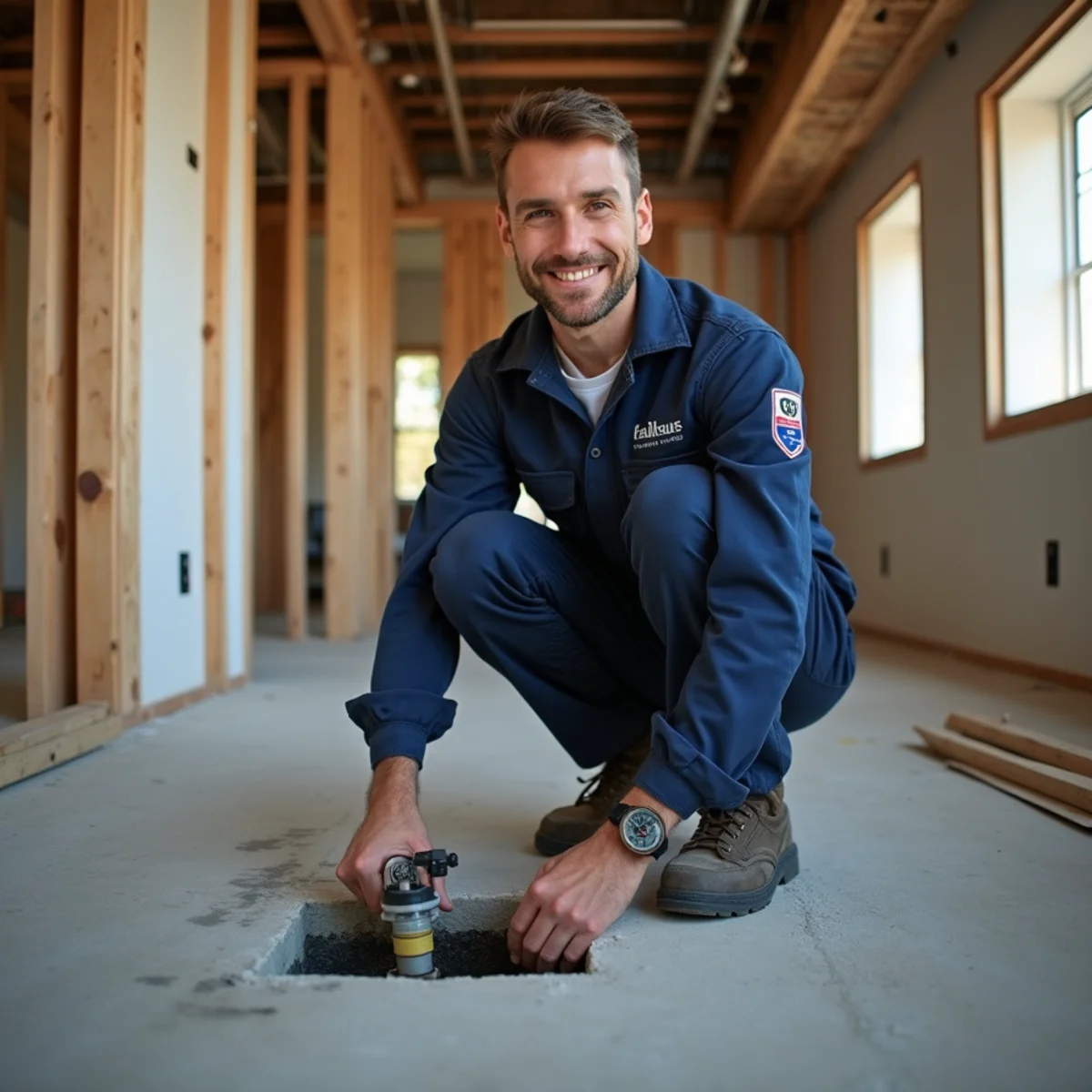
Plumbing for Restaurant & Retail Buildouts (McHenry Co.)
The plumbing can make or break a buildout timeline. Here's how restaurant and retail plumbing works — and how to keep it on schedule.
Read more →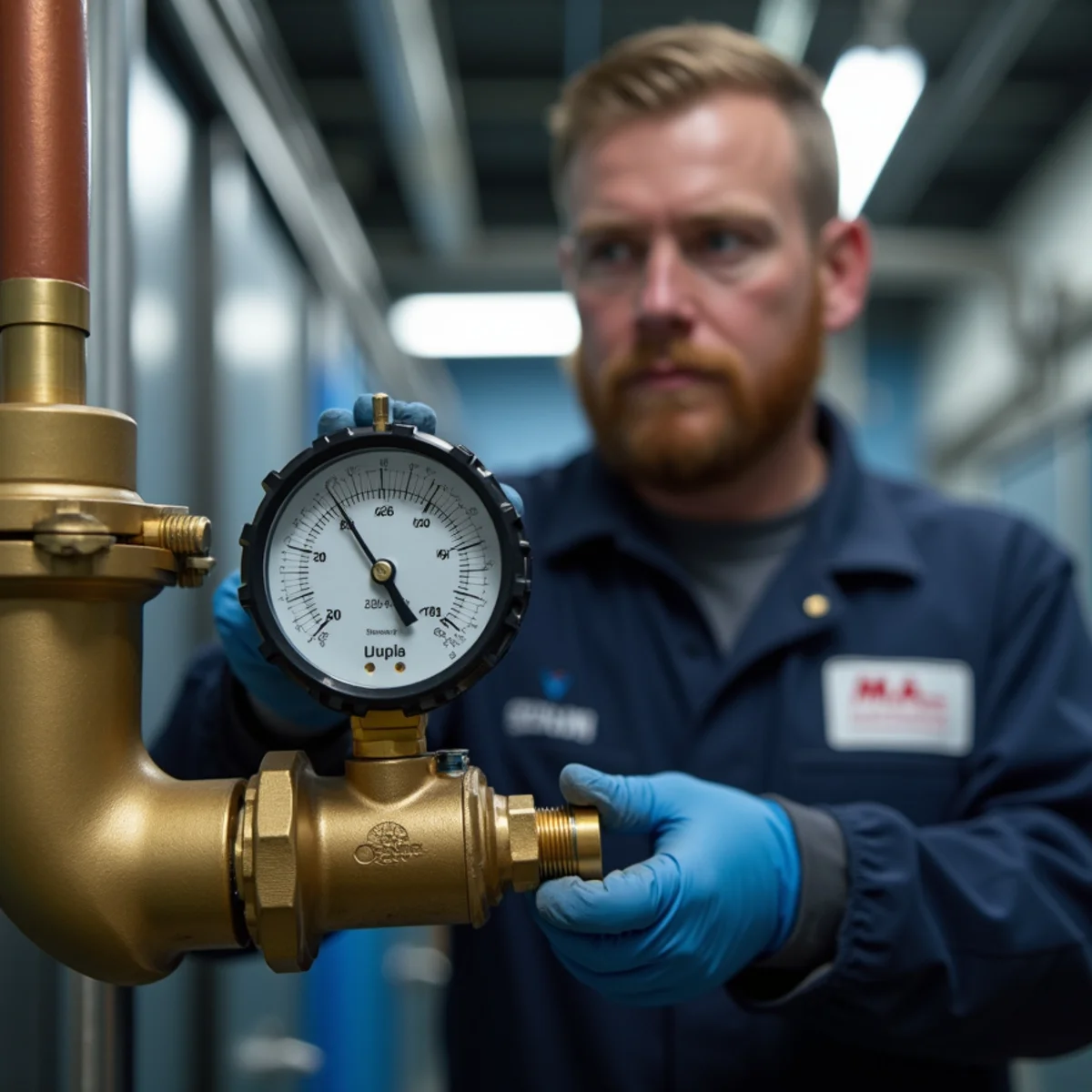
Commercial Backflow Testing Rules in Illinois
Backflow testing is a compliance requirement most business owners overlook — until a notice arrives. Here's what Illinois requires and why.
Read more →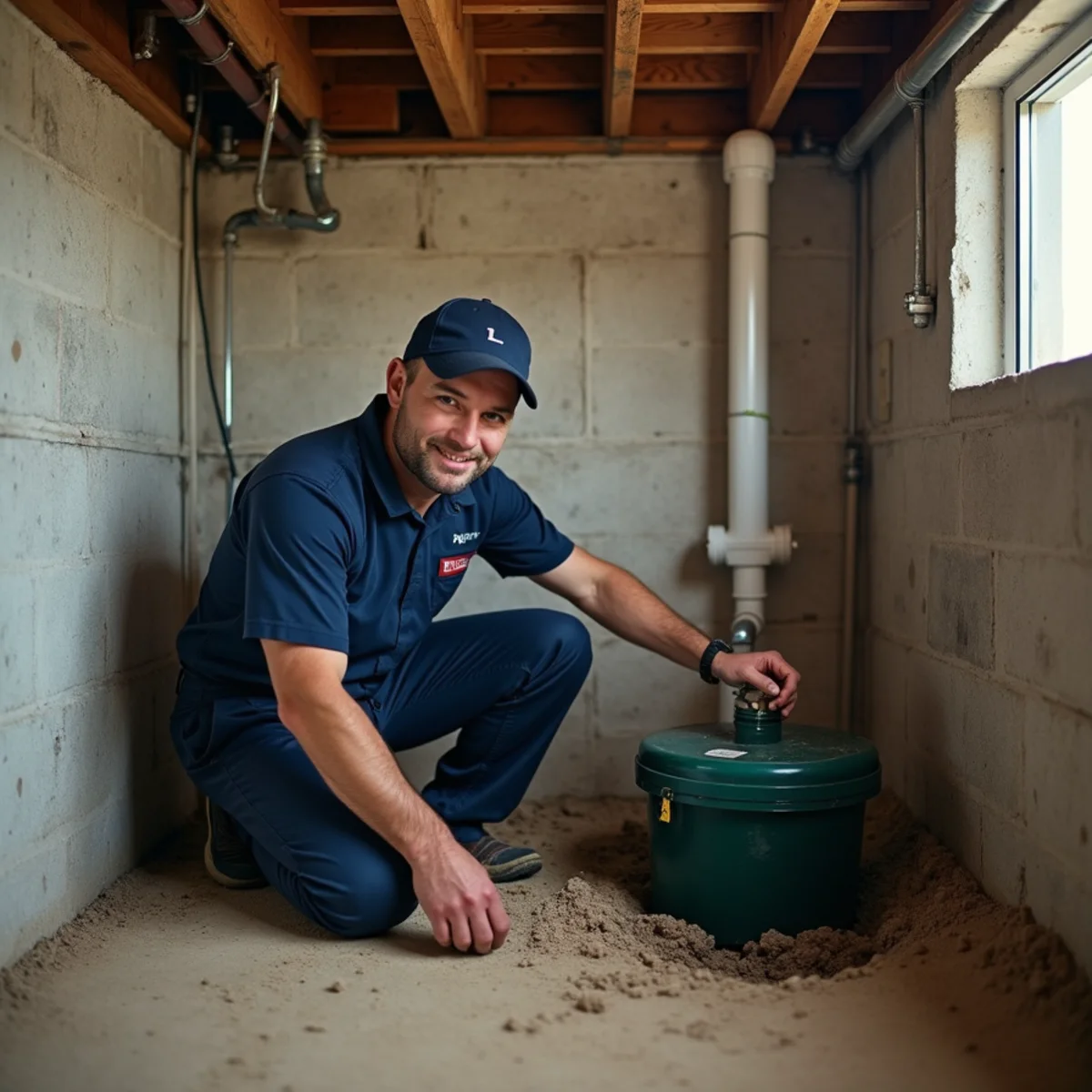
Ejector vs. Sump Pump: What's the Difference?
They both sit in a basement pit, but a sump pump and an ejector pump are not interchangeable. Here's the difference — and why it matters.
Read more →Get In Touch
Request Service or a Free Quote
Call us 24/7 or send a message and we'll get right back to you.
Straight answers to the questions homeowners ask us most about emergencies, cost, safe shutoff, permits, and planned work.
Common Questions About Plumbing Services in Lake in the Hills, IL
Lake in the Hills plumbing services include emergency plumbing, drain cleaning, sewer line repair, water heater service, sump pump service, leak repair, gas line service, water treatment, fixtures, and kitchen plumbing. Residential and commercial work should begin with a diagnosis and written scope.
Close the main shutoff if safe, open a faucet to relieve pressure, stay away from standing water near electrical equipment, photograph the damage, and call a plumber. Never use an open flame to thaw a frozen pipe, and keep children and pets away from contaminated water.
A plumbing estimate should include the diagnosis, line-item labor and parts, equipment, permits, access assumptions, emergency charges, cleanup and restoration responsibilities, warranty, payment milestones, and exclusions. The estimate should explain how hidden conditions and change orders will be handled.
Published research lists general plumbing work at $104-$346, drain clearing at $73-$365, burst-pipe repair at $788-$3,150, water-heater repair at $118-$591, and water-heater installation at $772-$1,930. These are market ranges, not a quote; access, urgency, parts, permits, diagnosis, and restoration change the price.
Close the main shutoff when you can reach it without entering unsafe water, then open a faucet to relieve pressure after a burst or frozen line. Do not touch electrical panels, outlets, appliances, furnaces, or water heaters surrounded by standing water.
A sewer camera inspection sends a camera through the sewer line to document the blockage, roots, cracks, offsets, collapse, and approximate location when access allows. Camera findings help separate cleaning from repair or replacement, but access conditions can limit the inspection.
Freeze-thaw cycles cause plumbing problems when freezing water expands inside vulnerable piping and soil movement stresses buried sewer laterals and joints. Exterior-wall lines, poorly insulated piping, unheated basements, and exposed service lines need closer seasonal attention.
A basement sump pump can fail because of pump condition, blocked discharge, a damaged check valve, power loss, inadequate capacity, or a failed backup system. A sump-pump assessment should inspect the pump, basin, discharge path, alarm, check valve, and backup power.
Check the contractor's exact Illinois plumbing license through the Illinois Department of Public Health and confirm service coverage by address. Ask for insurance proof, permit responsibility, written warranty terms, and dated local project evidence.
Look near the point where the water service enters the building, often in a basement, utility area, crawlspace, or mechanical room. If the shutoff is inaccessible or difficult to identify, call a plumber rather than forcing a valve.
Call a plumber when a slow drain returns, multiple fixtures back up, odors persist, or a drain needs repeated clearing. Ask whether a sewer camera inspection is appropriate before approving hydro jetting, excavation, or sewer lateral replacement.
Permit needs depend on the specific scope, so ask the contractor and the Village of Lake in the Hills before work begins. Confirm who pulls the permit, who schedules inspection, and whether the Illinois Plumbing Code applies to the planned repair or installation.
Common basement and older-home repairs include frozen or burst pipes, sump pumps, sewer backups, drain blockages, water heaters, and leaks at fixtures or supply lines. The source should be inspected before walls, floors, or buried lines are opened.
Collect photos, video, receipts, emergency invoices, plumber notes, written diagnosis, estimates, drying records, disposal records, serial numbers, and insurer communications. Notify the insurer and ask whether damaged materials should remain in place until documentation is reviewed.
Yes, a plumber can sometimes repair a sewer line without excavating the entire yard, depending on access, pipe location, defect type, and the available repair method. Request camera findings, access assumptions, excavation limits, restoration terms, and permit details before approving the work.
Yes, homeowners insurance can cover some burst-pipe or sewer-backup losses, but coverage depends on the policy, cause, deductible, exclusions, and any sewer-backup endorsement. Photograph the damage, stop the source safely, notify the insurer, and request written plumbing and restoration records without assuming the claim will be paid.
Yes, a written estimate is important before planned plumbing work expands. The estimate should state the diagnosis, scope, price basis, permits, warranty, payment terms, cleanup duties, exclusions, and change-order process.
Need a Plumber You Can Trust?
Family-owned, licensed, and available 24/7 across McHenry County. Get honest advice and a real quote — call now or request your free estimate.
68 five-star reviews Same-day service available Upfront, honest pricing