
Well Pump Problems: Low Pressure & No Water Fixes
By Ludwig Family Plumbing · May 20, 2025 · 7 min read
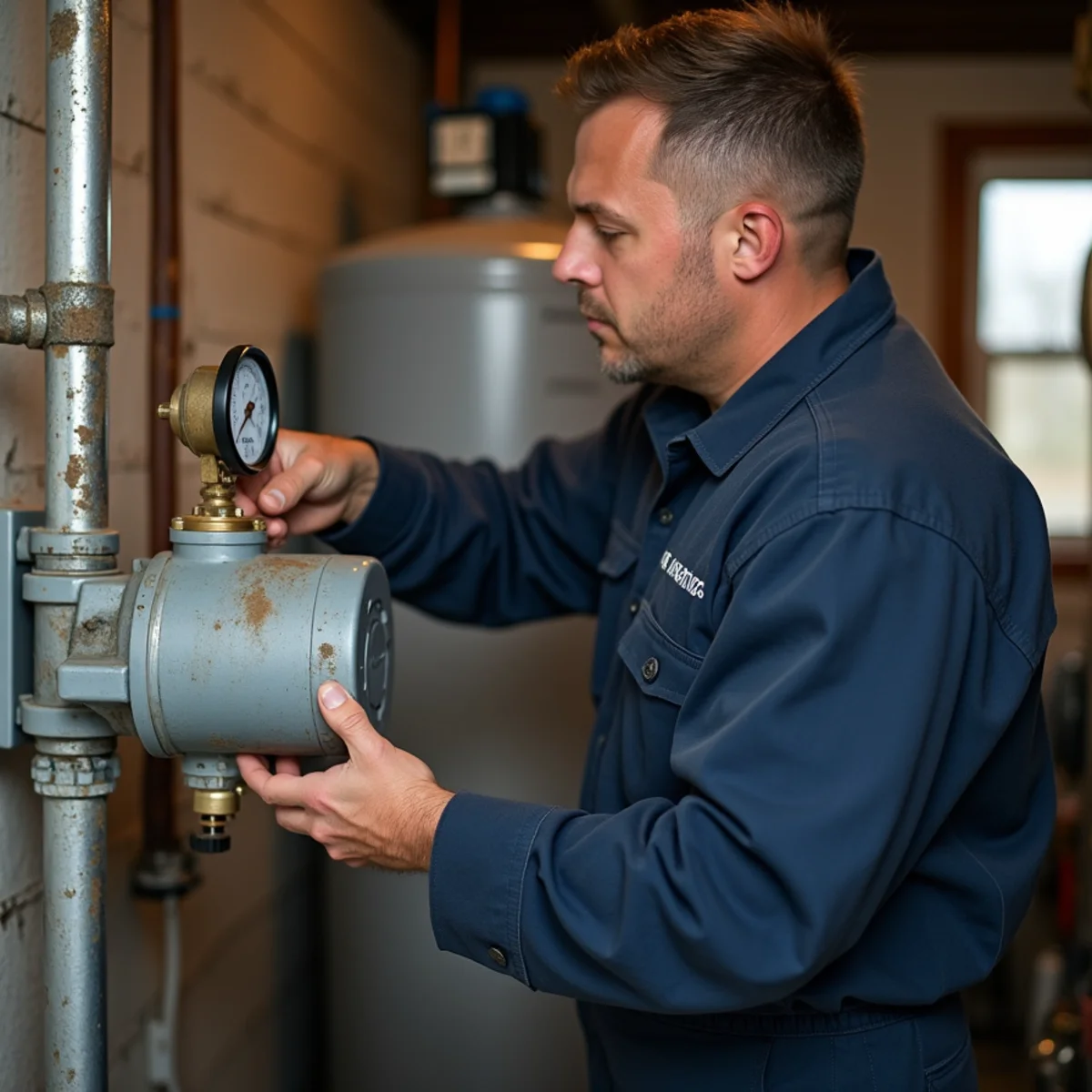
For the many rural McHenry County homes on a private well, the whole household depends on a system most people never think about — until the water sputters, the pressure drops, or the taps run dry. The tricky part is that a well system has several components, and the symptom rarely points straight to the culprit. Here's how to think it through.
No water at all
When there's no water anywhere in the house, start with the simplest checks: has the well pump's breaker tripped? Is there power to the system? A tripped breaker is worth resetting once — but if it trips again immediately, stop and call a pro, because that points to an electrical fault in the pump or wiring.
If power is fine and there's still no water, the cause could be the pump itself, the pressure switch, the pressure tank, or (less often) the well running low. Diagnosing which one requires testing the system, not guessing.
Low or fluctuating pressure
Weak or up-and-down pressure often traces to the pressure tank or pressure switch rather than the pump. A pressure tank that has lost its air charge or become waterlogged can't maintain steady pressure. The pressure switch, which tells the pump when to run, can also drift out of adjustment or fail.
Sediment or a clogged filter can also throttle pressure, so those are worth ruling out before assuming the worst.
- Check the pressure gauge and switch settings
- Test the pressure tank's air charge
- Rule out a clogged sediment filter
- Consider the pump only after the tank and switch check out
Rapid on-off cycling (short-cycling)
If you hear the pump snapping on and off every few seconds when you run water, that's short-cycling — and it's a pump killer. The usual cause is a pressure tank that's lost its air cushion (waterlogged). The pump has nothing to push against, so it cycles constantly.
Replacing the failed tank and setting the correct air charge fixes the cycling and protects the far more expensive pump from an early death. Ignoring short-cycling is how a cheap tank problem becomes an expensive pump replacement.
Air spitting or dirty water
Air sputtering from the faucets can indicate a dropping water level, a leak on the suction side, or a failing pump. Sudden dirty, cloudy, or sandy water after heavy use may mean the well level is low or sediment is being drawn in. Both deserve a professional look rather than a wait-and-see.
How long a well pump lasts
A submersible well pump typically lasts 8–15 years, heavily influenced by water quality and — again — whether the pressure tank has been keeping it from short-cycling. Good tank maintenance is the cheapest way to protect the pump.
Because pulling and replacing a submersible pump is a significant job, it pays to have the whole system diagnosed correctly the first time. We test the components in sequence so you replace what's actually failed.
Protect the pump by watching the tank
The cheapest way to extend a well pump's life is to care about the pressure tank, not the pump. When a tank loses its air cushion and waterlogs, the pump short-cycles — snapping on and off constantly — and nothing wears a motor out faster. A tank is a fraction of the cost of pulling and replacing a submersible pump.
So if you hear the pump cycling rapidly or your pressure swings, treat it as urgent tank maintenance, not a nuisance. Fixing the cheap part on time is what keeps the expensive part in the ground for years.
The Bottom Line
A well system rewards the owner who watches the pressure tank and acts on the early signs. Catch short-cycling and pressure swings early, and you'll keep the expensive submersible pump in the ground for its full life.
Need a hand from a licensed, family-owned McHenry County plumber? Call (831) 290-4327 — we're available 24/7 — or request a free quote.
How We Can Help
Serving Marengo, Spring Grove, Harvard and all of McHenry County.
Frequently Asked Questions
Common causes are a tripped breaker, a failed pressure switch or pressure tank, or a pump failure. Check the breaker first; if it trips again immediately, call a professional rather than repeatedly resetting it.
Short-cycling and fluctuating pressure usually point to the pressure tank or switch, while a complete loss of water with good power more often implicates the pump. Testing the tank's air charge and the switch settings narrows it down before anyone pulls the pump.
Air spitting from faucets or sudden cloudy water can mean a dropping water level, a suction-side leak, or a failing pump drawing in sediment. It deserves a professional look rather than a wait-and-see, since running a pump on air shortens its life.