
Hard Water in McHenry County: Signs & Solutions
By Ludwig Family Plumbing · February 25, 2025 · 6 min read
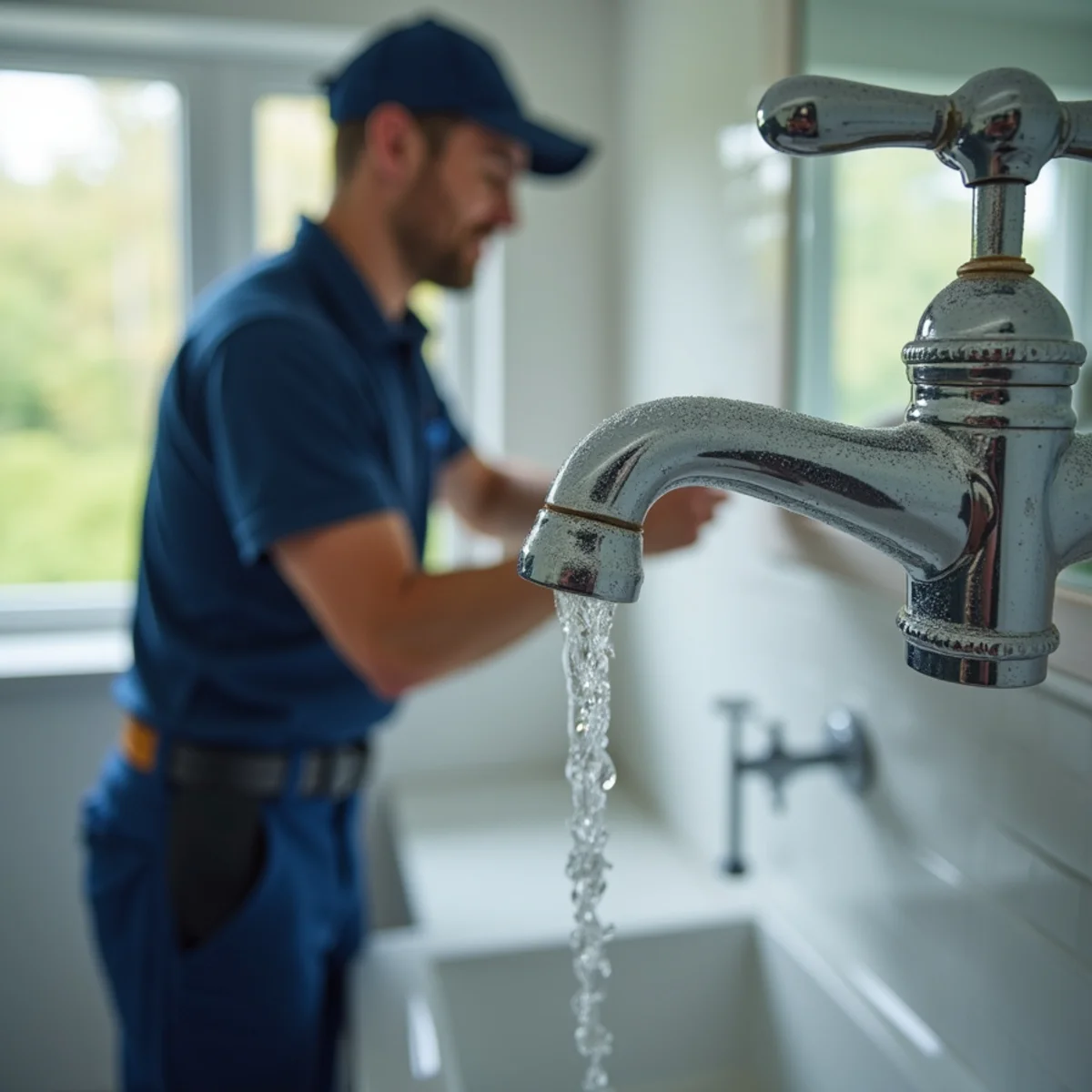
If you live in McHenry County, you live with hard water. Whether you're on a municipal supply or a private well, the groundwater here is rich in calcium and magnesium — and those minerals quietly work against your plumbing, your appliances, and your comfort. Here's how to recognize the signs and what actually solves them.
The everyday signs of hard water
Hard water leaves a trail. The most common tells are spots and film on glasses and dishes even after washing, a chalky crust building up on faucets and showerheads, soap and shampoo that won't lather, and laundry that comes out stiff and dingy.
You might also notice dry, itchy skin and dull hair after showering, and cloudy residue on shower doors that comes right back after you clean it.
- Spots and film on dishes and glassware
- Scale crust on faucets and showerheads
- Soap that won't lather; stiff laundry
- Dry skin and dull hair
- Reduced water pressure over time from scale in the pipes
The hidden damage
The visible annoyances are the small part. The real cost of hard water is what it does out of sight: scale builds up inside your water heater, insulating the burner and shortening the tank's life while raising your energy bill. It coats the internals of dishwashers and washing machines, causing them to fail years early. And it slowly narrows the inside of your pipes.
Every appliance that touches water works harder and dies sooner on hard water. That's the expense that makes treatment pay for itself.
The solution: a properly sized softener
A water softener removes the calcium and magnesium through an ion-exchange process, protecting everything downstream. The key is sizing: a softener rated for your household's water use and your water's actual hardness (measured in grains per gallon) will run efficiently and last. An undersized or poorly programmed unit wastes salt and water and doesn't keep up.
A quick water test tells us your exact hardness so the system is matched to your home rather than guessed at.
Well water needs more than softening
If you're on a private well — common across rural McHenry County — hardness often comes with company: iron that stains fixtures rusty, sulfur that smells like rotten eggs, and sediment. A softener alone won't fully handle those. A combined treatment system with the right filtration clears them together.
Well or city, the right answer starts with testing the water so you treat what's actually there — no more, no less.
Softener, filter, or both — how to decide
Hardness and contamination are different problems, and a softener only solves the first. If your complaint is scale, spotty dishes, and short appliance life, a properly sized softener is the answer. If it's rusty staining or a rotten-egg smell — common on county wells — you need iron or sulfur filtration on top of softening.
The only way to spec it right is a water test in grains per gallon plus iron and sulfur readings. Guessing leads to an undersized unit that wastes salt or a softener that leaves the staining behind — both avoidable with a ten-minute test.
The Bottom Line
Hard water is a solvable, once-and-done problem. Test your water, treat exactly what's in it, and you protect every appliance in the house while making daily life noticeably better.
Need a hand from a licensed, family-owned McHenry County plumber? Call (831) 290-4327 — we're available 24/7 — or request a free quote.
How We Can Help
Serving Huntley, Gilberts, Crystal Lake and all of McHenry County.
Frequently Asked Questions
Softened water can feel slightly 'slicker' because soap rinses away completely instead of leaving hard-water residue on your skin. Most people quickly prefer it, and it means far less soap scum on surfaces.
Hard water isn't a health hazard — the minerals are the same ones in many foods. The problem is what it does to your plumbing, appliances, and comfort. If you want better-tasting drinking water too, a softener can be paired with a drinking-water filter.
A properly sized and programmed unit regenerates on demand and uses salt efficiently — typically a bag every few weeks to a couple of months depending on hardness and household size. An oversized or poorly set unit wastes far more, which is why sizing to your water test matters.