
Sump Pump Maintenance Before Spring Thaw
By Ludwig Family Plumbing · February 18, 2025 · 5 min read
Spring thaw is the single toughest test your sump pump faces all year — melting snow and spring rain hitting saturated ground, all at once. The worst time to discover the pump has quietly failed is when the water is already rising. A few minutes of maintenance in late winter makes sure it's ready.
Test the pump
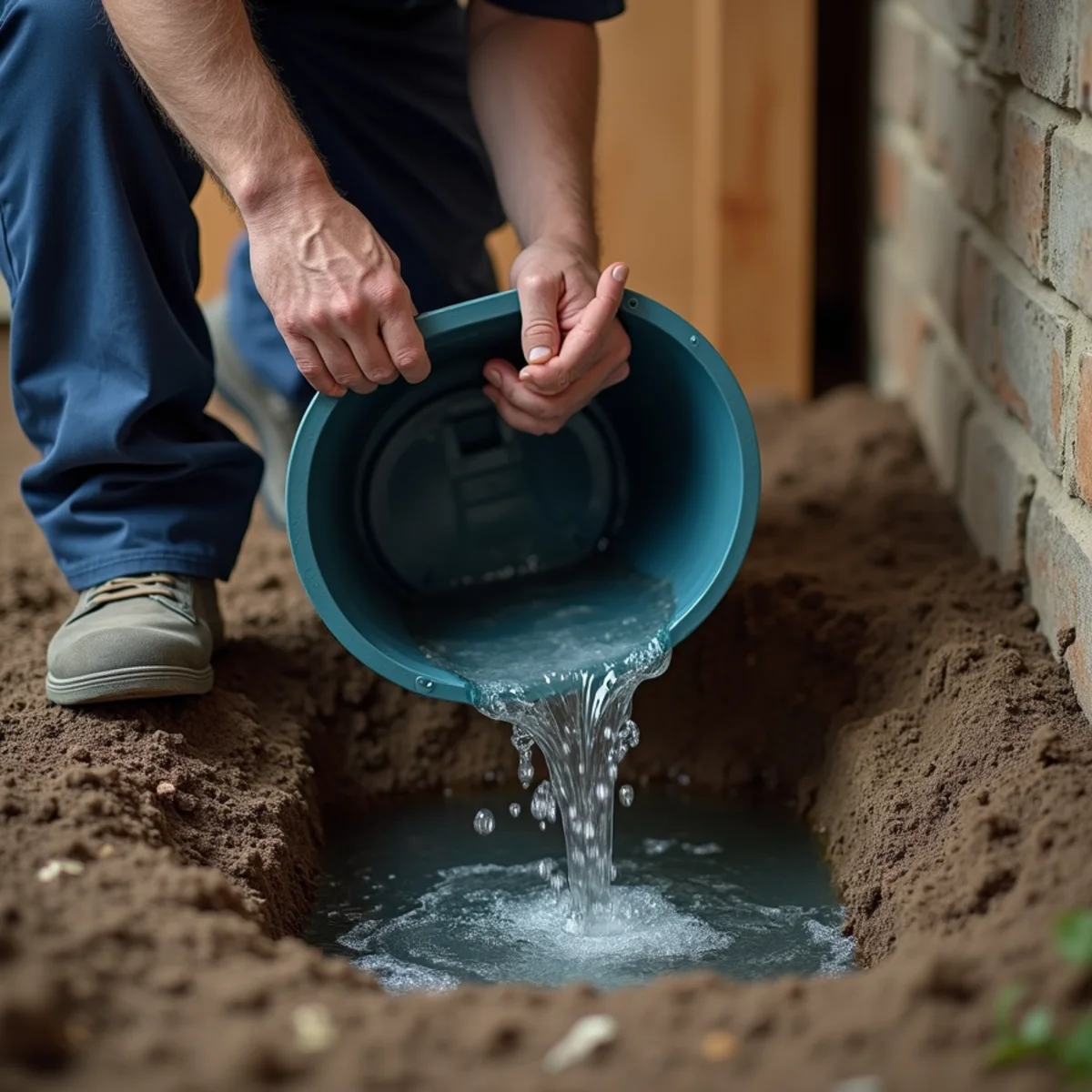
The most important check is also the simplest: pour a bucket of water into the sump pit until the float rises. The pump should switch on, pump the water out, and shut off cleanly. If it doesn't start, is slow, or won't shut off, you've found a problem now — on your schedule — instead of during a flood.
Check the float and check valve
Make sure the float moves freely and isn't jammed against the pit wall or tangled in the discharge line — a stuck float is a leading cause of both no-run and won't-stop failures. Confirm the check valve is holding, so pumped-out water isn't draining back into the pit.
- Float moves freely, not jammed or tangled
- Check valve holds (water doesn't flow back)
- Pit is free of gravel, debris, and sludge
Clean the pit and inlet
Over a year, silt, gravel, and debris collect in the pit and can clog the pump's intake. Clear out any debris so the pump can move water freely and the float can travel without obstruction. A clean pit is a pump that performs to its rating.
Verify the backup battery
A battery backup is only protection if the battery actually works. Batteries lose capacity with age — typically every few years — so test that the backup activates and holds a charge, and replace the battery on schedule. Remember: the storms that flood basements are the same ones that cut the power your primary pump runs on, so the backup is exactly what stands between you and a flood.
Confirm the discharge runs clear
Walk the discharge line outside. It should carry water well away from the foundation and be free of clogs and (in late winter) any remaining ice. Water that discharges too close to the house just circles back into the pit, and a blocked or frozen discharge makes even a perfect pump useless.
If your pump is 7–10 years old, or anything about the test looked off, get it serviced or replaced before the thaw. We can check the whole system and make sure you're ready for the water.
Why the backup battery is the part that fails quietly
A primary pump usually announces its problems — noise, cycling, a wet floor. A backup battery fails in total silence, holding less and less charge each year until the day the power goes out and it can't carry the load. That day is always during the storm you needed it for.
Test the backup every spring, not just the primary, and plan to replace the battery on the manufacturer's schedule — typically every few years. A backup system is only as good as the battery inside it, and that's the part homeowners forget.
The Bottom Line
Spring thaw is the test your sump pump has been waiting all year to take. A few minutes now — testing the pump, the float, and especially the backup battery — is what keeps it from failing when the water finally rises.
Need a hand from a licensed, family-owned McHenry County plumber? Call (831) 290-4327 — we're available 24/7 — or request a free quote.
How We Can Help
Serving Crystal Lake, Round Lake, Lake in the Hills and all of McHenry County.
Frequently Asked Questions
Pour a bucket of water into the pit until the float rises. The pump should switch on, clear the water, and shut off cleanly. If it doesn't start, runs slowly, or won't stop, you've found a problem now instead of during a storm.
Test it before spring and fall storm seasons, clean the pit of debris annually, and verify the backup battery holds a charge. Plan to replace the pump around the 7–10 year mark before it fails on its own.
Most pumps last 7–10 years, so if yours is in that range or older — or it failed a bucket test, cycles oddly, or sounds rough — replace it before storm season rather than gambling on another spring.